





Smart Electrical & Automated Lighting Solutions
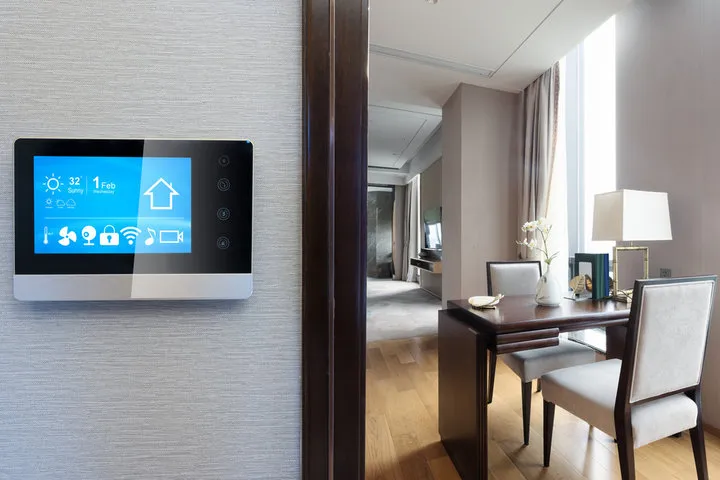
Your Home's Electrical Blueprint: From Smart Lights to a Future-Ready Panel
Choosing your first smart light is exciting. It’s an easy, satisfying step into a more convenient and efficient home. But what happens next? You add a few smart plugs, maybe a smart thermostat, and start thinking about an electric vehicle. Suddenly, you’re not just buying gadgets-you’re navigating a complex electrical ecosystem.
The internet is full of simple product reviews and highly technical electrical analyses, but there’s no map to connect the two. How do you move from a smart bulb to a truly smart home without making a costly mistake?
This is that map. This is your blueprint for planning an electrical system that grows with you, ensuring the choices you make today set you up for a smarter, safer, and more valuable home tomorrow.
Level 1: The Quick Wins in Smart Lighting and Controls
The most accessible entry point into home automation is lighting. It offers immediate benefits in convenience and ambiance, but the real power lies in making informed choices from the start.
Most smart lighting operates on a few core technologies, and understanding them helps you build a reliable system. Wi-Fi-based devices connect directly to your router, making them simple to set up. Other systems like Zigbee or Z-Wave use a central hub, which reduces traffic on your Wi-Fi network and can offer faster response times. Newer standards like Matter aim to make all these devices work together seamlessly.
Smart Bulbs vs. Smart Switches: Which is Right for You?
This is the first major crossroad in your smart home journey, and the answer defines how your system will function.
- Smart Bulbs: Perfect for targeted applications like a single floor lamp or for adding color to a room. They are easy to install (it's just a lightbulb) and offer features like color-changing (RGB) capabilities. The downside? The light switch must stay on for the bulb to work, which can be confusing for family and guests.
- Smart Switches & Dimmers: This approach upgrades the control point itself. The switch becomes the "smart" device, allowing you to control any bulb connected to it—even standard, non-smart LEDs. This preserves the natural use of the light switch and is often more cost-effective for rooms with multiple bulbs. Plus, a quality dimmer switch can deliver significant savings. Research shows that dimming your lights can reduce electricity consumption by up to 20% and can even double the lifespan of your bulbs.
For most homeowners building a whole-home system, smart switches offer a more integrated and intuitive foundation. They are one of the many solutions we specialize in as part of our complete range of electrical services.
The Bridge: When Simple Upgrades Start Straining Your System
A few smart switches and bulbs won’t cause any issues. But as your ambition grows, so does the demand on your home's electrical infrastructure. Every device you plug in contributes to the electrical load on your circuits and, ultimately, your main electrical panel.
Think of your panel as the heart of your home's electrical system. It has a finite capacity. Adding major new loads-like an EV charger, a heat pump, or even a suite of new kitchen appliances during a remodel can push that capacity to its limit.
This is the critical gap where many smart home plans fall apart. Homeowners invest in exciting new technology without considering if their home's foundation can support it, leading to tripped breakers, flickering lights, or the sudden need for a very expensive emergency upgrade.
Level 2: The Brain of Your Home - A Guide to Smart Electrical Panels
If the standard panel is your home's heart, a smart electrical panel is the brain. It doesn’t just distribute power; it intelligently monitors, manages, and controls it. This upgrade transforms your electrical system from a passive utility into an active asset.
Are you planning for an Electric Vehicle or Solar Power?
This is the number one reason homeowners upgrade.
- EV Charging: A Level 2 EV charger is a major electrical load, equivalent to running another central air conditioner. A smart panel can monitor your home's total energy use and intelligently charge your car when demand is low (like overnight), preventing overloads without needing an expensive service upgrade from the utility company.
- Solar & Battery Storage: For homes with solar, a smart panel is revolutionary. It allows you to precisely manage where your solar energy goes—whether it's to power your home, charge your battery backup, or sell back to the grid-all from an app on your phone.
Is your current panel maxed out or outdated?
Many homes, especially older ones, have panels that are already full or use outdated technology. If you’re constantly tripping breakers or have no physical space to add a new circuit for a remodel or EV charger, a smart panel isn't just a "smart" upgrade; it's a necessary modernization that unlocks new capabilities. It's the best way to future-proof your home's electrical core.
Are you building a new home or planning a major renovation?
If you’re already undertaking a major construction project, it's the most cost-effective time to install a smart panel. Building it into the plan from the start ensures your new, modern home has an electrical system to match, setting you up for decades of energy independence and flexibility. If you're in the planning stages, it's the perfect time to schedule a comprehensive home electrical assessment to see how a smart panel can fit into your design.
Calculating the Real ROI of a Smarter Home
The return on investment for a smart electrical system goes far beyond a slightly lower utility bill from dimming your lights. The real value comes from three key areas:
- Intelligent Energy Management: A smart panel gives you circuit-level data, showing you exactly where your energy is going. You can identify wasteful "vampire loads," create schedules to run appliances during off-peak hours, and optimize your solar and battery usage to maximize savings.
- Major Cost Avoidance: The biggest financial win can be avoiding a full "service upgrade." If adding an EV charger would normally require you to pay the utility thousands to run new, higher-capacity lines to your home, a smart panel’s load-management feature can often prevent that need entirely. This one feature can pay for the panel itself.
- Increased Home Value & Resilience: A home equipped with a smart panel is fundamentally more advanced and desirable. It's prepared for the future of home electrification and offers resilience. When the power goes out, a smart panel can automatically switch to your battery backup and intelligently ration power to keep critical circuits—like your refrigerator and Wi-Fi-running longer.
Bringing Your Blueprint to Life: DIY vs. Professional Installation
Navigating your electrical blueprint requires knowing what you can tackle yourself and when to call in an expert.
- DIY-Friendly: Swapping a smart bulb, setting up a smart plug, or configuring a hub. These tasks are low-risk and don't involve interacting with your home's wiring.
- Call a Professional: Installing smart switches, dimmers, outlets, and especially a new electrical panel. These jobs require working inside electrical boxes and with high-voltage wiring. For your safety and to ensure your home is up to code, this work should only be performed by a licensed and certified electrician.
At Edmundson Mechanical, our reputation since 1994 is built on trust and expertise. Our technicians are licensed, trained professionals who ensure every job is done right the first time. You can learn more about our commitment to safety and quality and see why your neighbors in South Central Indiana trust us with their homes.
Frequently Asked Questions About Smart Electrical Upgrades
Is a smart panel worth the cost if I don't have an EV or solar yet?
It can be. If you plan on getting an EV or solar in the next 3-5 years and know your current panel will need an upgrade anyway, installing a smart panel now prepares you for a seamless transition later. It also provides immediate benefits through detailed energy monitoring that can help you save money today.
What if I choose the wrong technology (e.g., Zigbee) and something better comes along?
This is a common fear. The good news is the industry is moving toward universal standards like Matter, which is designed to make devices from different brands work together. By starting with foundational upgrades like smart switches rather than a specific brand of bulbs, you create a more flexible and future-proof system.
How do I know if my current wiring can handle smart switches?
Most modern homes are perfectly compatible. The most common requirement is a neutral wire in the switch box, which is standard in homes built in the last few decades. A licensed electrician can verify this for you in minutes during an assessment.
Can't I just use smart plugs everywhere instead of installing new switches or outlets?
While smart plugs are great for lamps and small appliances, they are a clumsy solution for overhead lighting and can be a fire hazard if used with high-power devices like space heaters. Smart switches and outlets provide a safer, cleaner, and more permanent solution that adds real value to your home.
Your Next Step: Creating a 5-Year Plan for Your Home
You now have the blueprint. You understand how a simple smart light is connected to the long-term health of your entire electrical system. You have the framework to evaluate your needs, not just based on what you want today, but on where your home is headed.
The next step is to turn this blueprint into a personalized plan. Whether you’re just starting with a few smart switches or are ready to discuss a full panel upgrade for your new EV, we’re here to help you make the right decisions for your home and budget.
Ready to map out your home's electrical future? Contact Edmundson Mechanical Services for a professional consultation. We’ll help you build a smarter, more efficient home, one circuit at a time.
hear what our satisfied clients have to say

Service areas