




Geothermal & Advanced Heat Pump Solutions
.jpg)
Geothermal vs. Heat Pumps: The Definitive Guide for Indiana Homeowners
Choosing a new heating and cooling system is one of the most significant investments you'll make in your home. You're not just buying a piece of equipment; you're investing in years of comfort, predictable energy bills, and peace of mind. But as you research, you're faced with a flood of complex options. Do you stick with a traditional furnace and AC? Or do you upgrade to a high-efficiency heat pump or even a geothermal system?
It’s a critical decision point. Making the right choice means decades of efficient comfort. The wrong one could mean high utility bills and disappointing performance, especially during a harsh Indiana winter.
This guide is designed to cut through the noise. We'll give you a clear, honest comparison of advanced heat pumps and geothermal systems, framed specifically for homeowners here in South Central Indiana. We’ll walk you through the key factors so you can make a confident, informed decision for your family and your home.
Why Your Neighbors Are Looking Beyond Traditional HVAC
For decades, the standard setup in Indiana has been a gas furnace for winter and a central air conditioner for summer. It’s a reliable combination, but rising energy costs and a desire for greater efficiency are causing many homeowners to re-evaluate.
The data is clear: homeowners are actively searching for more efficient alternatives. They're comparing advanced systems from brands like Carrier and Goodman, digging into reviews, and trying to understand the long-term value. The focus has shifted from "what's the cheapest to install?" to "what's the smartest investment over the next 20 years?"
This is where advanced heat pumps and geothermal technology enter the conversation. They represent a fundamental shift in how we heat and cool our homes—moving energy around instead of creating it from scratch.
Understanding Your High-Efficiency Options
Before we can compare them, let's quickly demystify these two powerful technologies. Both systems provide heating and cooling in a single unit, but they draw their energy from very different sources.
Advanced Air-Source Heat Pumps: Not What You Remember
If you have an outdated idea of heat pumps struggling in the cold, it’s time for a reintroduction. Today's advanced heat pumps are engineered to perform efficiently even when Indiana temperatures dip well below freezing.
Instead of burning fuel, a heat pump works like a two-way air conditioner. In the summer, it pulls heat from inside your home and moves it outside. In the winter, it reverses the process, extracting heat from the outdoor air—yes, even cold air—and transferring it inside to warm your home. The result is incredible efficiency, often delivering three to four units of heat for every one unit of electricity it consumes.
Geothermal Systems: Tapping into Indiana's Stable Ground Temperature
While an air-source heat pump deals with fluctuating air temperatures, a geothermal system takes advantage of a much more consistent energy source: the earth itself.
Just a few feet below the ground, the temperature in Indiana remains a stable 50-55°F all year round, regardless of whether it’s a scorching 95°F day or a frigid 10°F night. A geothermal system uses a series of underground pipes, called a loop, to tap into this free, renewable energy. In winter, it absorbs the earth's heat and transfers it into your home. In summer, it pulls heat from your home and deposits it back into the cooler earth.
Because its source temperature is so stable, a geothermal system operates at a level of efficiency that is simply unmatched by any other technology.
The Indiana Homeowner's Comparison: Geothermal vs. Advanced Heat Pumps
So, which system is the right fit for your home? The answer depends on your property, your budget, and your long-term goals. Let's break down the decision-making factors.
Installation & Upfront Investment
This is the most significant difference between the two.
- Advanced Heat Pumps: The installation is very similar to a traditional central air system. An outdoor unit is connected to an indoor air handler. It's a straightforward process that our teams handle efficiently, making it a more accessible upgrade for most homeowners.
- Geothermal Systems: The initial investment is higher, primarily due to the installation of the underground loop field. This requires excavation or drilling, which adds to the cost and complexity.
While the upfront cost of geothermal is greater, it's important to view it as a long-term investment. Many homeowners find that our [Link: flexible financing options] can make even this premier solution manageable for their budget.
Long-Term Savings & Efficiency
Here's where the initial investment in geothermal begins to pay massive dividends.
- Advanced Heat Pumps: These systems are incredibly efficient, potentially cutting your heating and cooling costs by up to 50% compared to traditional furnaces and air conditioners. However, their efficiency still fluctuates slightly with extreme outdoor temperatures.
- Geothermal Systems: Welcome to the king of efficiency. Because the ground temperature is constant, geothermal systems are 45% more efficient than the most advanced heat pumps and can reduce your home's heating, cooling, and hot water costs by up to 70%. The monthly savings are substantial and can often lead to a payback period of 5-10 years on the initial investment.
Performance in an Indiana Climate
Both options are excellent choices for our four-season climate, but they handle winter's worst differently.
- Advanced Heat Pumps: Modern cold-climate models from brands like Carrier are designed to provide powerful heating down to about 5°F. For the few days a year that dip below that, a small auxiliary heat strip provides supplemental warmth to ensure your home stays comfortable.
- Geothermal Systems: A geothermal system is completely immune to the weather. Whether there's a polar vortex or a summer heatwave, its performance and efficiency remain unchanged. It provides consistent, steady heat without ever needing a backup source, offering unparalleled reliability.
[Image: High-efficiency Carrier heat pump unit being installed by an Edmundson technician]
Making the Right Choice for Your Property
Choosing the best path forward involves looking at your unique situation. For homes with smaller lots or in more developed areas, an advanced air-source heat pump is often the most practical and powerful upgrade. For homeowners with more land and a focus on maximizing long-term savings and energy independence, a geothermal system is the ultimate solution.
The key is getting expert advice tailored to your property. Our approach always begins with a thorough evaluation of your home to determine the best path forward, ensuring our professional [Link: HVAC installation services] deliver the performance you expect.
Your Questions Answered: Geothermal & Heat Pump FAQ
How much can I really save on energy bills?
With an advanced heat pump, savings can be up to 50%. With geothermal, savings can reach 70%. The exact amount depends on your home's insulation, your old system's efficiency, and current energy rates, but the savings are always significant.
I heard heat pumps can be noisy. Is that true?
That's a common concern based on older models. Modern units from manufacturers like Carrier and Mitsubishi are designed for whisper-quiet operation. Geothermal systems are even quieter, as the main unit is located indoors with no noisy outdoor fan.
What kind of maintenance is required?
Both systems require regular maintenance, similar to a traditional HVAC system—an annual check-up and filter changes. The underground loop in a geothermal system is incredibly durable and requires no maintenance, with a life expectancy of over 50 years.
How long do these systems last?
An air-source heat pump typically lasts 15-20 years. The indoor components of a geothermal system have a lifespan of around 25 years, while the underground loop is expected to last for generations.
Is my Southern Indiana home a good candidate for geothermal?
If you have sufficient yard space for the loop field (either horizontal trenches or vertical bores), your home is likely a great candidate. We can perform a site assessment to provide a definitive answer and design the optimal loop configuration for your property.
Your Next Step to a More Comfortable, Efficient Home
Choosing between an advanced heat pump and a geothermal system is a decision about the future of your home's comfort and efficiency. An advanced heat pump offers a fantastic, accessible upgrade with major efficiency gains. A geothermal system represents the pinnacle of performance and long-term savings.
The best choice isn't found on a website—it's found through a conversation. Contact Edmundson Mechanical Services for a no-pressure consultation. We’ll help you analyze your property, understand your goals, and build a clear plan for a more comfortable and energy-efficient future.
hear what our satisfied clients have to say

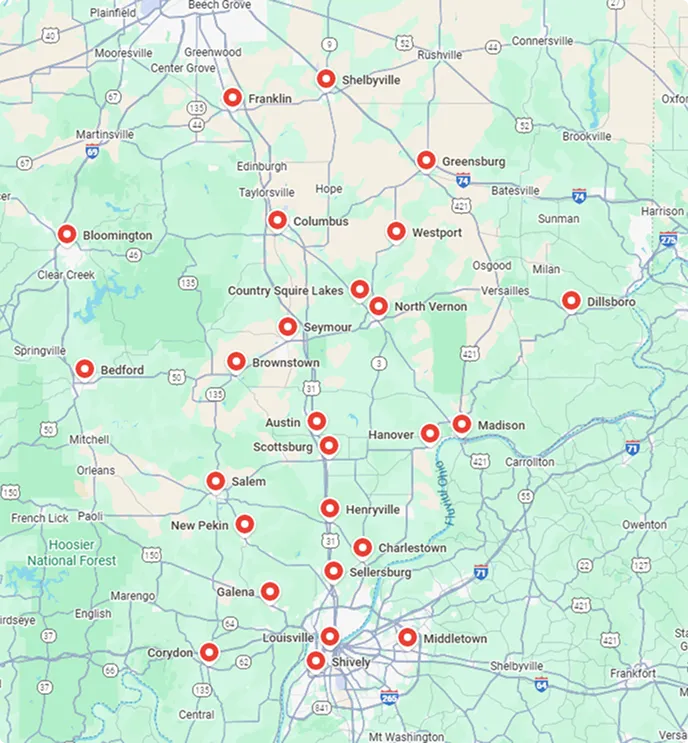
Service areas