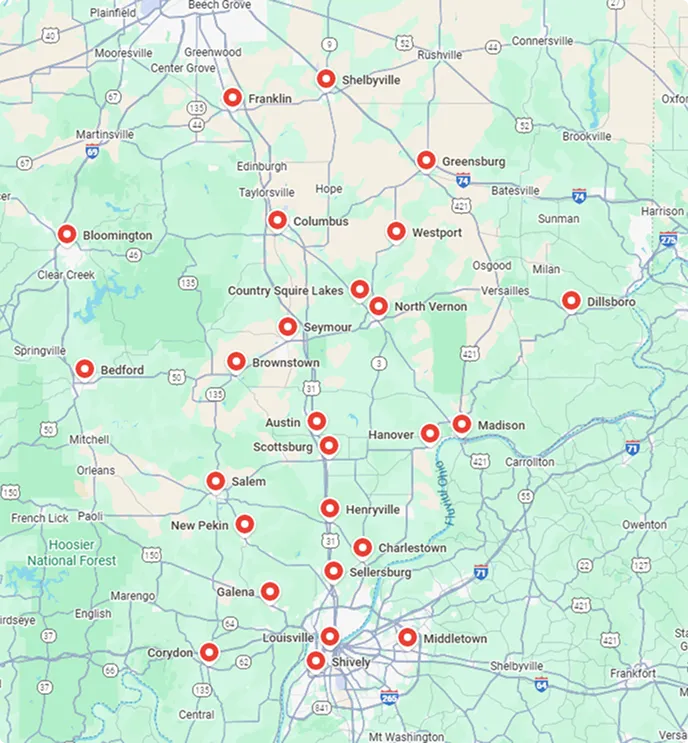





Geothermal Installation in Austin, IN
When it comes to efficient, eco-friendly heating and cooling solutions, geothermal systems have emerged as a premier choice for homeowners in Austin, IN. Edmundson Geothermal brings over 35 years of expertise delivering professional geothermal installation tailored to the unique needs of South Central Indiana homes. Understanding the full process of geothermal installation—from initial site assessment through post-installation commissioning—can empower you to make informed decisions that enhance your home's comfort and energy efficiency for decades.
.webp)
Why Choose Geothermal Installation in Austin, IN?
Austin’s climate features distinctive seasonal changes, with hot, humid summers and cold winters. Geothermal heat pumps take advantage of the earth’s stable underground temperatures to provide reliable heating, cooling, and even hot water. Compared to conventional HVAC systems, geothermal systems can reduce energy costs substantially, lower your carbon footprint, and improve indoor air quality by eliminating combustion-related pollutants.
Residents here benefit from geothermal technology because it adjusts for varying temperatures year-round using a renewable resource—the earth itself. Moreover, Indiana offers specific rebates and financing options that make installing a geothermal system more affordable today.
Understanding the Geothermal Installation Process
Edmund Geothermal’s holistic approach ensures each geothermal installation is customized to achieve maximum efficiency and durability. Below is a detailed overview of the key phases involved in geothermal installation in Austin, IN.
1. Comprehensive Site Assessment
Every geothermal installation project starts with an in-depth site evaluation. This includes:
- Soil testing and analysis to determine thermal conductivity
- Assessing available land area for loop field installation
- Evaluating groundwater levels and local geological factors
- Reviewing property layout and existing utilities
This crucial step identifies the optimal loop configuration and sizing to match your home’s heating and cooling demands.
2. Loop Field Design: Horizontal vs. Vertical
Selecting the right loop system is vital for performance and cost-effectiveness. The two primary loop types are:
- Horizontal Loops: Installed in trenches about 4 to 6 feet deep, ideal for properties with plenty of open land in Austin where excavation is feasible and budget-conscious.
- Vertical Loops: Drilled vertically dozens or hundreds of feet into the ground, perfect for smaller lots or areas with rocky terrain. While more expensive to install, vertical loops tend to be more durable and less susceptible to surface disturbances.
The choice depends on local soil conditions, land space, and long-term system goals.
3. Equipment Selection and Sizing
Correctly sizing the geothermal heat pump and associated components is critical. Oversized units waste energy and shorten lifespan, while undersized units fail to provide sufficient comfort.
Key factors Edmund Geothermal technicians consider include:
- Home square footage and insulation levels
- Heating and cooling load calculations based on Austin’s climate requirements
- Hot water demand and any supplemental system needs
- Compatibility with existing ductwork or planned ductless integration
We partner with trusted manufacturers like Daikin to offer state-of-the-art, durable heat pumps with industry-leading warranties.
4. Step-by-Step Installation Phases
The installation process involves carefully coordinated stages:
- Excavation or drilling to install the geothermal loops
- Loop piping installation with high-density polyethylene (HDPE) pipes designed for underground durability
- Backfilling and land restoration returning the site to its natural condition
- Indoor equipment installation, including heat pump unit, circulation pumps, and control systems
- Integration with your home’s existing HVAC infrastructure
Throughout installation, safety and adherence to local codes and manufacturer guidelines are prioritized.
5. Timeline Expectations
Typical geothermal installations in Austin take several days to a few weeks, depending on project complexity. Site preparation and loop installation require the most time. Edmund Geothermal provides detailed project timelines during the initial consultation, maintaining transparency throughout.
6. Permitting and Inspection Requirements
Austin and Scott County have specific permitting requirements for geothermal systems to ensure environmental protection and safety:
- Building and electrical permits
- Well and groundwater protection approvals for loop systems accessing groundwater
- Final inspections verifying compliance with Indiana State Uniform Plumbing Code and other local regulations
Edmund Geothermal handles the entire permitting process on your behalf, ensuring a hassle-free experience.
7. Post-Installation Testing and Commissioning
Once installed, the system undergoes rigorous testing including:
- Leak checks in the loop field
- Performance testing of the heat pump operation
- Calibration of thermostats and control systems
- Homeowner walkthrough to demonstrate system features and maintenance tips
This commissioning phase guarantees optimal functionality from day one.
Available Rebates and Financing Options in Austin, IN
Edmund Geothermal helps you navigate the financial aspects of geothermal installation with:
- Information on federal tax credits for renewable energy systems
- Guidance on Indiana state incentives for energy-efficient home improvements
- Details on utility company rebates available to Austin residents
- Flexible financing through partners like GoodLeap enabling affordable monthly payments
These programs can significantly reduce upfront costs and improve your system’s return on investment.
How to Prepare Your Austin, IN Home for Geothermal Installation
Preparing your property helps the installation proceed smoothly. Key homeowner preparation tips include:
- Clearing vegetation and obstacles from the proposed loop field area
- Providing access to water and power sources for installation equipment
- Coordinating schedules with Edmund Geothermal technicians for on-site presence
- Reviewing any necessary landscaping restoration post-installation
Taking these steps can minimize disruptions and expedite project completion.
The Long-Term Benefits of Geothermal Systems for Austin Homeowners
Investing in geothermal installation is a forward-thinking choice. Beyond energy savings, geothermal systems offer:
- Increased property value due to energy-efficient upgrades
- Quiet operation with fewer moving parts than traditional HVAC
- Reduced maintenance requirements and longer equipment life
- Year-round comfort even during Austin’s humid summers and cold Indiana winters
- Positive environmental impact by reducing dependence on fossil fuels
Edmund Geothermal’s decades of experience and local expertise make us the trusted partner for geothermal installation in Austin, helping your home become more comfortable, sustainable, and cost-effective.
Frequently Asked Questions About Geothermal Installation in Austin, IN
Q: How does geothermal heating and cooling work in Austin's climate?
A: The system uses the earth’s relatively stable underground temperature as a heat source in winter and heat sink in summer, providing efficient temperature regulation aligned with Austin’s seasonal extremes.
Q: What is the difference between horizontal and vertical geothermal loops?
A: Horizontal loops are laid in shallow trenches and suited for larger yards, while vertical loops involve drilling deep boreholes and are ideal for limited space or rocky soil.
Q: Are there incentives available to reduce installation costs?
A: Yes, federal tax credits, state rebates, and local utility incentives often apply to geothermal systems in Indiana, plus financing options to spread out payments.
Q: How long does a geothermal installation typically take?
A: Installations normally range from a few days to a few weeks, depending on site conditions and system complexity.
Q: What maintenance do geothermal systems require?
A: Geothermal systems require minimal maintenance, primarily annual inspections and occasional fluid checks to ensure long-term efficiency.
Q: Can my existing home ductwork be used with a geothermal heat pump?
A: Often, yes. Edmund Geothermal assesses your duct system’s condition and compatibility during installation planning.
Edmund Geothermal is committed to making geothermal installation in Austin, IN, a seamless and valuable upgrade for your home. Our experienced technicians, thorough process management, and personalized service ensure your investment delivers comfort, savings, and peace of mind for years to come.
hear what our satisfied clients have to say

Service areas