




Geothermal Services in Crothersville, IN
Hot water failures in Crothersville strike at the worst times-cold morning showers, piles of dirty dishes, laundry backing up-and winter cold snaps risk frozen pipes when systems quit. Whether facing emergency repairs, planning replacement for aging equipment, or choosing between tank and tankless systems, understand what quality water heater service involves. Common Crothersville problems include hard water damage, sediment buildup, and aging equipment. Know realistic repair timelines and costs, when replacement makes more financial sense, proper sizing preventing running out of hot water, energy-efficient options lowering bills, available financing and warranties, and maintenance habits extending equipment life for reliable hot water year-round.
Why selecting the right water heater matters in Crothersville, IN
Crothersville experiences a full range of seasons, with cold winters that put extra demand on hot water systems and summer months that highlight efficiency. Seasonal temperature swings and local water mineral content can accelerate sediment buildup and corrosion in tank systems, reducing efficiency and increasing risk of failure. Choosing the correct system size, energy source, and configuration minimizes operating costs, prevents midwinter surprises, and improves long term reliability. Whether you are replacing an old tank, considering a tankless conversion, or comparing heat pump and hybrid options, the right choice starts with a professional assessment of your home, usage patterns, and local conditions.
Common water heater types and how they perform in local homes
- Tank water heaters (gas or electric)
- Best for straightforward installs where space is available and upfront cost is a priority.
- In Crothersville winters, tank heaters provide a buffer of stored hot water for simultaneous demands, but sediment from mineral-rich water can reduce tank efficiency without regular flushing.
- Tankless (on demand) water heaters
- Deliver hot water only when needed and reduce standby losses.
- Ideal for homes wanting continuous hot water and compact installation, but sizing must account for simultaneous demands during cold months since inlet water is colder.
- Heat pump water heaters
- Highly efficient electric option when conditioned space is available for installation.
- Can deliver significant energy savings in warmer months; performance dips during prolonged cold weather unless installed in a thermally suitable location.
- Hybrid condensing water heaters and indirect water heaters
- Hybrid systems combine features for higher efficiency; indirect systems pair a boiler or furnace with a separate tank for very large demands.
- Good for homes with existing hydronic systems or very high hot water needs.
How we evaluate the best system for your home
A proper selection starts with a thorough on-site evaluation. Factors we review include:
- Household size and peak hot water usage patterns (for example morning shower chains, simultaneous laundry and dishwasher use).
- Current fuel type on the property and viability of converting to alternative fuel sources.
- Available installation space, venting options for gas units, and access for servicing.
- Water quality and hardness to assess sediment and corrosion risk.
- Venting and combustion air requirements for gas appliances to ensure safe operation.
- Long term goals such as energy savings, reducing carbon footprint, or minimizing maintenance demands.
This assessment produces a clear recommendation that balances first cost, ongoing energy use, and expected lifespan.
Diagnostic inspections and emergency repair: what we check and why
When a water heater malfunctions, identifying the root cause quickly prevents more extensive damage. Common local failure modes include leaks from tanks or fittings, heating element failures, faulty thermostats, pressure relief valve discharge, sediment-clogged burners or heat exchange surfaces, and ignition or gas control issues on gas models.
During a diagnostic inspection we:
- Visually inspect the unit, supply lines, and drainage for signs of leaks or corrosion.
- Test the temperature and pressure relief valve and inspect the drain pan and nearby plumbing for evidence of past leaks.
- Measure incoming and outgoing water temperatures and verify thermostat settings.
- On electric tank models, test heating elements and thermostats with appropriate meters.
- On gas models, inspect burners, pilot or ignition systems, venting, and perform combustion checks when needed.
- Check for sediment accumulation by inspecting the drain and, if safe, sampling the tank contents.
- Confirm water pressure and expansion tank function to rule out pressure-related discharge.
For emergency repairs we prioritize safety and restoring hot water supply: shutting off problematic valves, replacing failed components that can be addressed quickly (such as thermostats, heating elements, igniters, or pressure relief valves), and providing temporary remedies to prevent water damage while developing a replacement plan for irreparable tanks.
Routine maintenance that extends lifespan and maintains efficiency
Regular maintenance is the single most effective way to avoid premature failure. Key maintenance tasks include:
- Annual or semi-annual flushing of tank systems to remove sediment that reduces heat transfer and accelerates corrosion.
- Inspecting and replacing the sacrificial anode rod as needed. A depleted anode rod allows tank corrosion to accelerate.
- Testing and replacing temperature and pressure relief valves if they fail inspection or leak.
- Verifying thermostats and controls are functioning and set to safe, efficient temperatures.
- Checking and cleaning burners, combustion chambers, and venting on gas units to ensure efficient combustion and safe venting.
- Inspecting piping insulation and addressing exposed pipes that are susceptible to freezing in winter.
- Verifying electrical connections and elements on electric tanks for signs of failure or wear.
In Crothersville, maintenance that addresses sediment control and proper insulation can make a measurable difference because of seasonal usage patterns and local water characteristics.
Installation and replacement process: step-by-step so homeowners know what to expect
Replacing a water heater is a project that benefits from a clear, professional process. A typical replacement or new installation follows these steps:
Pre-installation assessment
- Confirm load calculations, fuel supply, venting, and clearances.
- Verify local code requirements and determine permit needs.
Selection and equipment staging
- Finalize model selection based on capacity, energy efficiency, and warranty.
- Coordinate manufacturer warranty registration details and equipment delivery.
Permit and site preparation
- Obtain necessary permits and schedule inspections as required by local code.
- Prepare the workspace by shutting off water and power or gas and protecting nearby surfaces.
Removal of old equipment
- Safely disconnect and remove the old unit, draining and disposing of the tank or components per local regulations.
- Inspect the installation area and address any water-damaged materials or substandard piping.
Installation
- Install the new unit with properly sized water lines, appropriate fittings, and correct venting or electrical connections.
- For gas units, perform combustion and safety checks. For electric units, verify correct breaker sizing and wiring.
- Install or verify expansion tanks and pressure regulation if required.
Commissioning and testing
- Fill the system, purge air, and test for leaks.
- Start the unit and verify operating temperatures, pressures, and control functionality.
- Perform any required safety and performance tests.
Orientation and documentation
- Provide clear instructions on operating temperature settings, expected noise and performance, and recommended maintenance schedule.
- Provide warranty information and documentation for the owner and inspector.
Homeowners should expect some disruption for a replacement day, including water shutoff for several hours and professional access to the installation area. The process includes inspections to meet code and ensure safety. Properly executed installations reduce call backs and improve system longevity.
Efficiency and cost comparisons without surprises
Selecting between tank, tankless, and heat pump solutions requires balancing initial investment, operating costs, and lifestyle factors:
- Tank units are often less expensive to install up front and provide a simple solution for predictable hot water needs. They carry standby heat losses and require regular flushing to maintain efficiency.
- Tankless units reduce standby losses and can lower energy use when household demand patterns align with on demand heating. Cold inlet water in winter reduces flow rate and may require larger or multiple units for peak demand.
- Heat pump water heaters typically deliver the best efficiency for electric systems in temperate areas where the unit can access warm ambient air; they may be less effective in very cold mechanical spaces unless properly sited.
- Hybrid and condensing models can combine efficiency gains with the convenience of a tank.
Energy performance is commonly expressed as Uniform Energy Factor or UEF. Higher UEF means better efficiency, but the right choice also depends on peak flow demands and the cost of fuel or electricity in your area. For Crothersville homeowners who experience cold winters, factoring in incoming water temperature and peak morning demand is essential for avoiding performance shortfalls with tankless systems.
Typical lifespans and when replacement makes sense
- Tank water heaters: typical lifespan 8 to 12 years depending on water quality and maintenance history.
- Tankless water heaters: typical lifespan 15 to 20 years with proper maintenance; heat exchanger replacement may be necessary in some cases.
- Heat pump water heaters: typical lifespan 10 to 15 years, influenced by location and usage.
Signs it is time to replace rather than repair:
- Frequent repairs or repeated failures of major components.
- Significant rusting or active leaks from the tank.
- Tank age beyond the expected lifespan and low efficiency compared to modern options.
- Insufficient capacity for household needs that cannot be resolved through component repair.
- A failed heat exchanger or structural failure where repair costs approach replacement cost.
Warranty, financing, and purchasing transparency
Manufacturer warranties vary by model and often cover parts for a defined period; some models include extended warranties on tanks or heat exchangers when installed by authorized professionals. Labor warranties for installation are also a key element to review. For Crothersville homeowners, understanding what is covered, what actions void warranties (for example, improper venting or bypassing required anode maintenance), and the process for warranty claims is critical.
Financing options are commonly available for larger replacement projects to spread the cost over time. Homeowners should ask for an itemized estimate that separates equipment cost, labor, permit fees, and any system upgrades such as new venting or gas lines. Clear, written estimates help compare options and make informed decisions without surprises at the time of service.
What to expect during a repair visit versus a replacement project
Repair visit expectations
- A typical diagnostic visit focuses on determining the source of the problem and advising on repair options.
- Repairs that involve component replacement such as thermostats, heating elements, or pressure relief valves are often completed in a single visit if parts are available.
- If a tank is leaking or the unit is unsafe to operate, the technician will secure the area and recommend replacement options.
Replacement project expectations
- Replacement projects are planned with a pre-install assessment, permitting as required, and coordination for equipment delivery.
- Installation may require modifications to venting, fuel lines, or electrical service—these items are included in the estimate and scheduled work.
- The project includes final testing, code inspections, and documentation of warranties and maintenance instructions.
During both repairs and replacements, homeowners should expect professional behavior, clean workspaces, and clear explanations of the work performed and why.
Preventive practices every homeowner in Crothersville should adopt
- Schedule annual or biennial maintenance and a system check before winter to reduce the risk of midwinter failure.
- Drain a small amount of water from the tank every few months to reduce surface sediment accumulation.
- Inspect the anode rod every few years and replace when depleted to slow internal corrosion.
- Insulate accessible hot water lines and the first several feet of the tank piping to reduce heat loss and reduce freeze risk in colder months.
- Maintain safe thermostat settings; 120 degrees Fahrenheit provides a balance between safety, energy use, and scald prevention.
- If you have hard water, consider a water softening strategy to reduce mineral buildup and extend equipment life.
Clear documentation and homeowner education
A well-executed service should leave homeowners with:
- A written summary of work completed and parts replaced.
- Manufacturer warranty details and any labor warranty terms.
- Recommended maintenance schedule and clear instructions for simple homeowner checks.
- An explanation of signs indicating imminent failure, such as unusual noises, visible leaks, or loss of capacity.
hear what our satisfied clients have to say

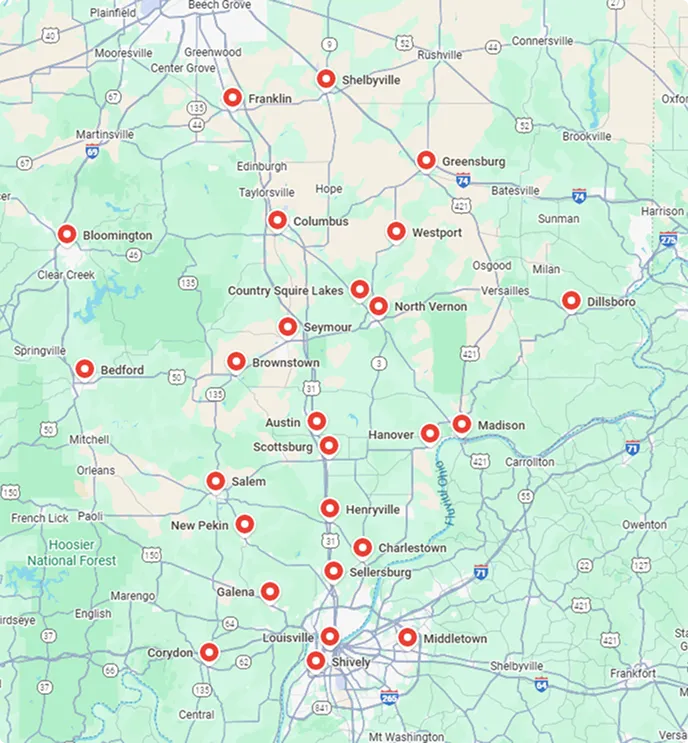
Service areas